

Sunridge Power
Pinal County, Arizona 

Sunridge Power

A large-scale, advanced class combined-cycle natural gas project located 70 miles southeast of Phoenix, designed to deliver up to 1,360 MW across two phases.

Scroll to exploreSunridge Power mark1,360 MW · Two phases
01 The project

A Large-Scale Combined-Cycle Facility for Arizona.

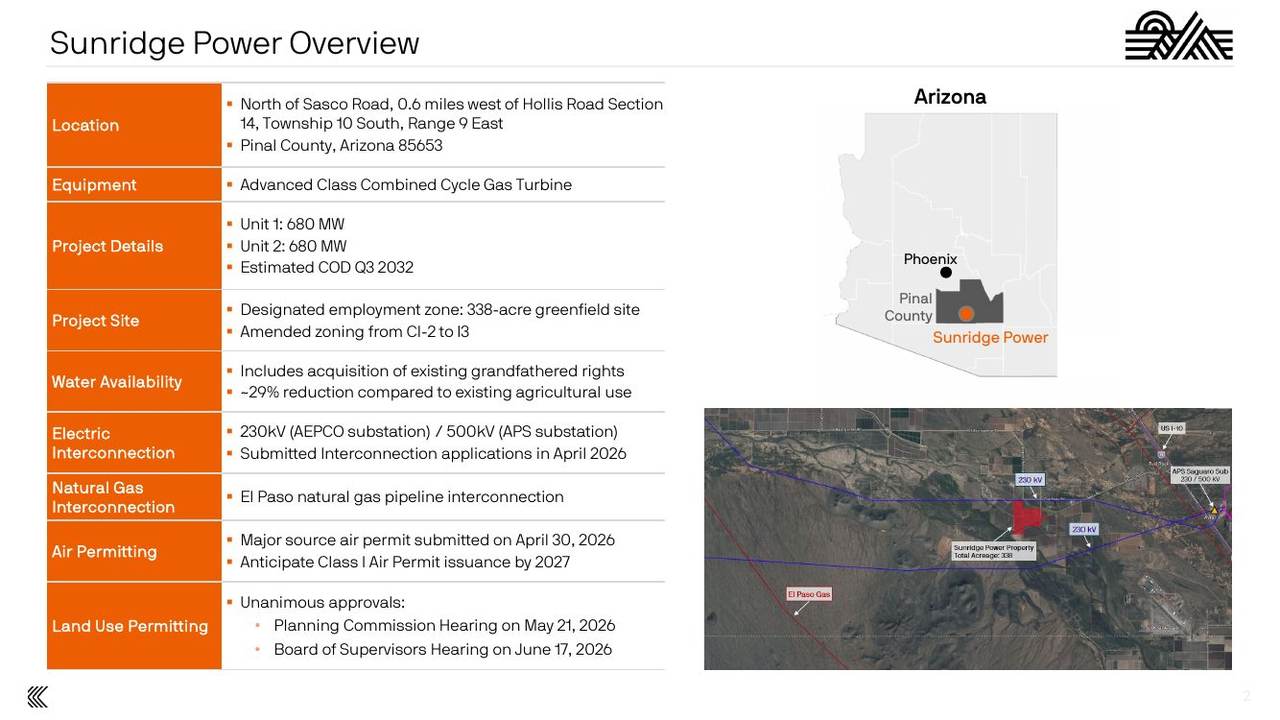
Sunridge Power is a large-scale, advanced class combined-cycle natural gas project located 70 miles southeast of Phoenix in Pinal County, Arizona, designed to deliver up to 1,360 MW across two phases based on development progression.

The project utilizes state-of-the-art Advanced Class Combined Cycle Gas Turbine technology and is supported by secured site control of a 338-acre greenfield location with ample water rights and suitable elevation.

Advanced Class CCGTNatural gasTwo phases
02 The technology

Advanced-Class Combined-CycleGas Turbine Technology.

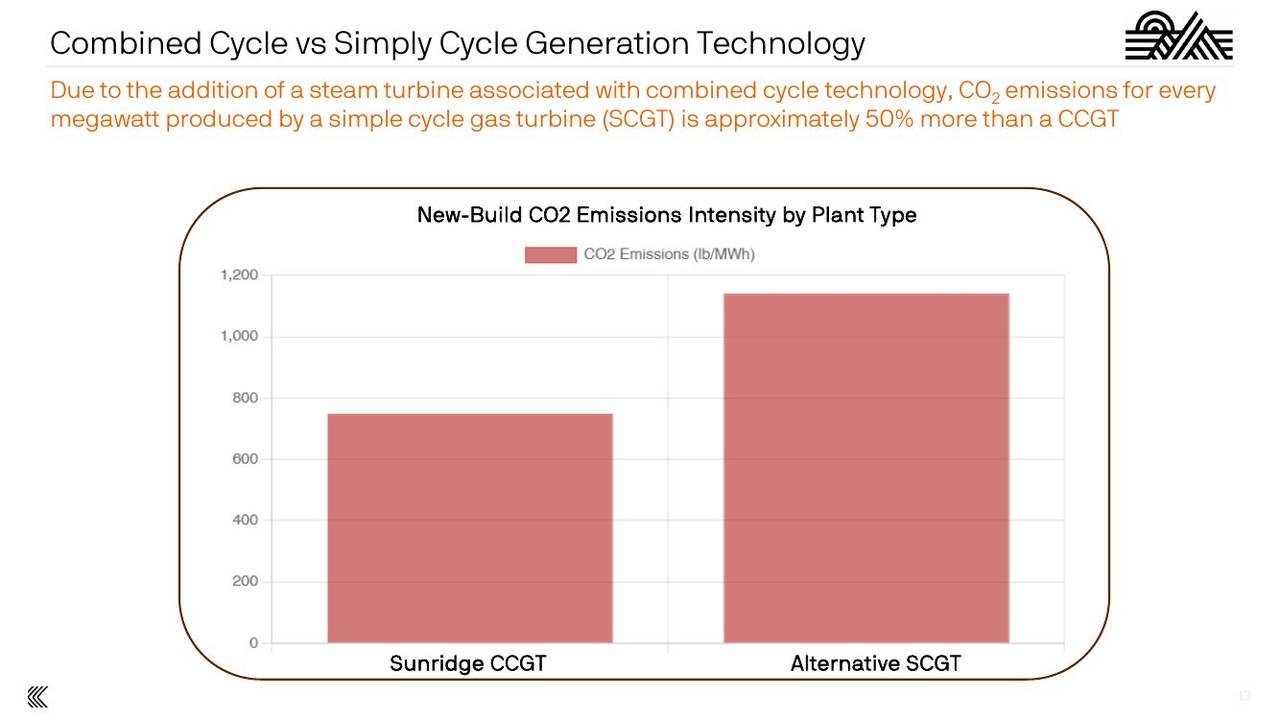
Advanced Class Combined Cycle Gas Turbine (CCGT) technology pairs a gas turbine with a heat-recovery steam cycle, delivering higher efficiency and lower emissions per megawatt than conventional generation.

Higher efficiencyLower emissionsGrid reliability
03 Project status

The Path Ahead

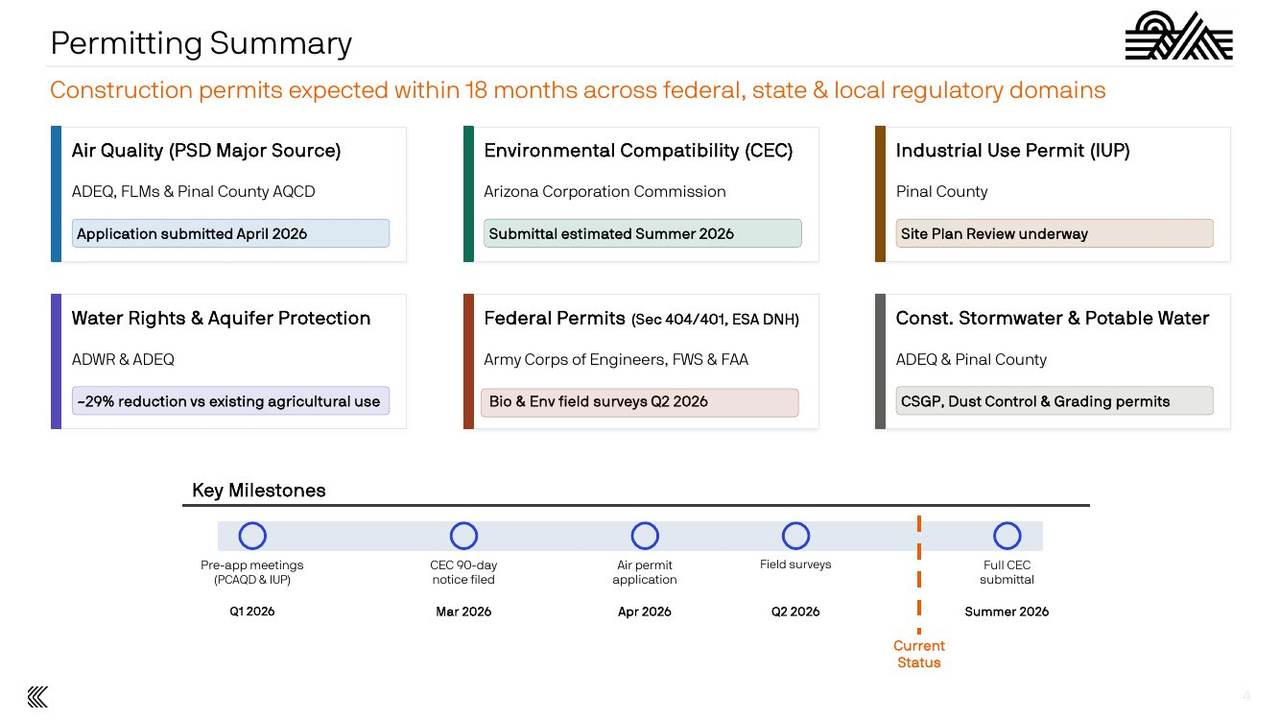
The project has initiated land use and air permitting workstreams.

In progress

Permitting underway

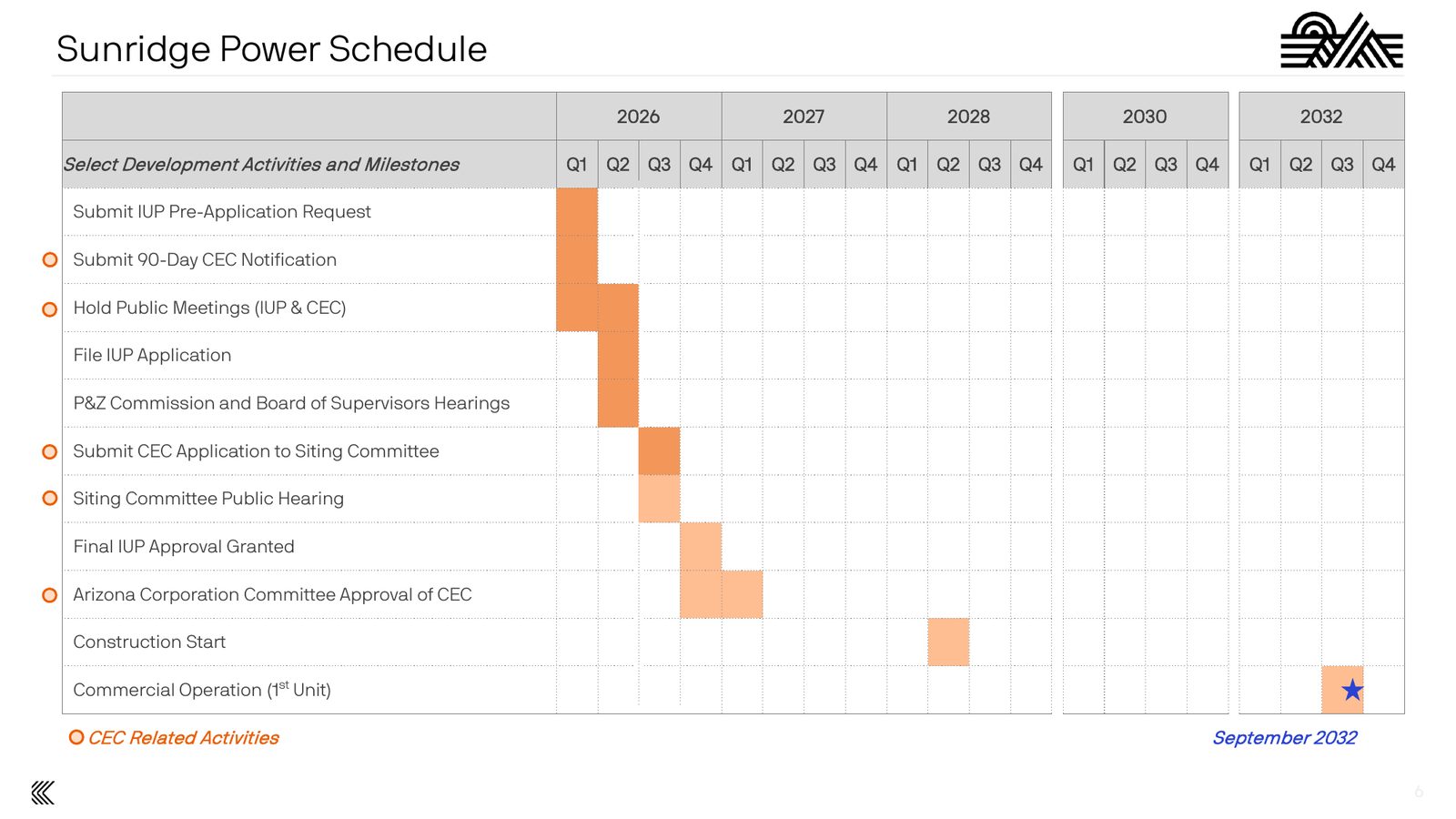
The project has initiated land use and air permitting workstreams.

Q1 2027

Permits anticipated

Sunridge Power anticipates these permits will be obtained in Q1 2027.

2028

Construction start

Anticipated Construction Start Date: 2028.

2032

Commercial operation

Anticipated Commercial Operation: 2032.

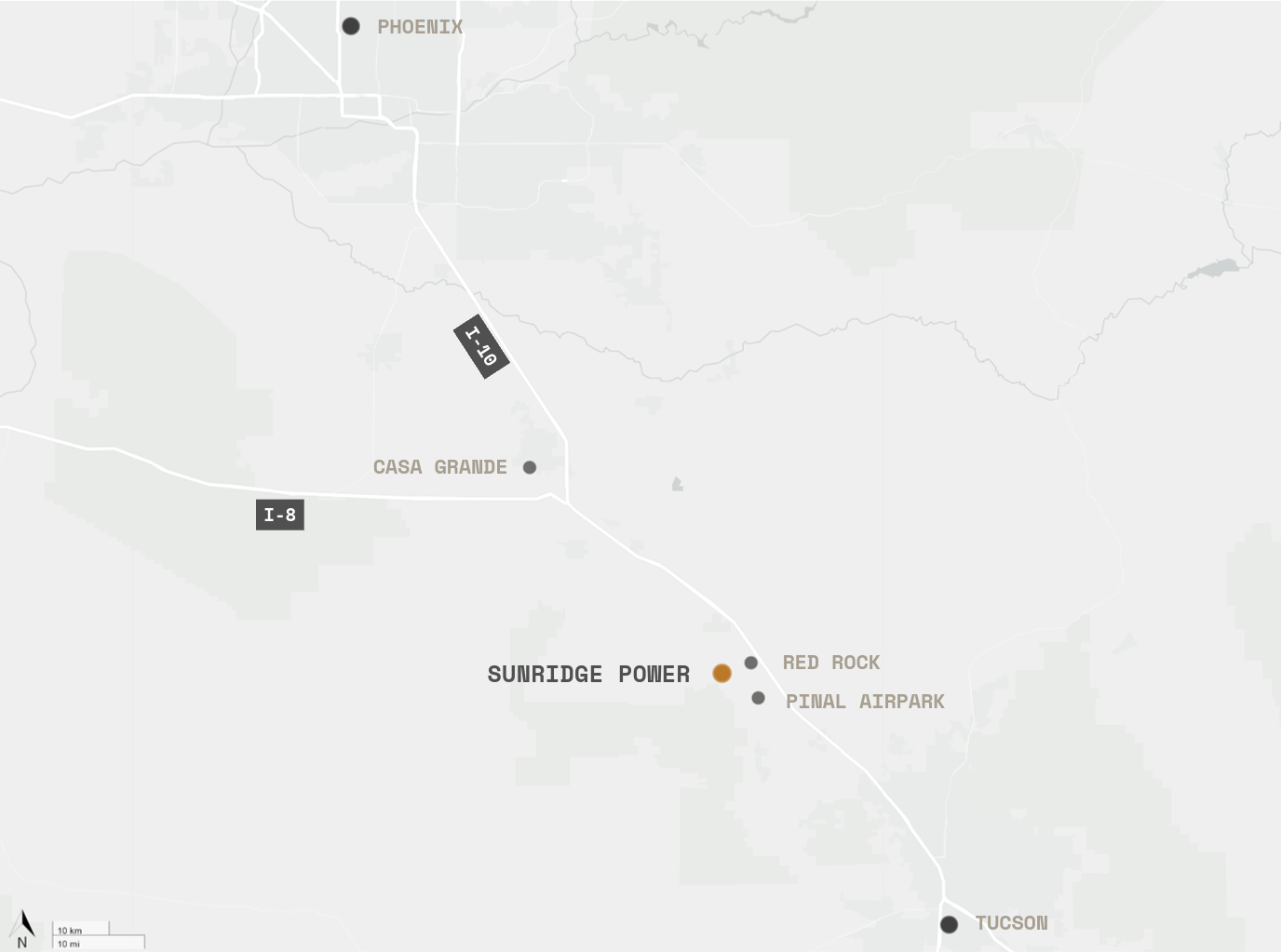
Regional map showing Sunridge Power in Pinal County, Arizona, about 70 miles southeast of Phoenix near Red Rock and Pinal Airpark, with Casa Grande, Tucson, and Interstates 10 and 8.70 MI SEPHOENIXSUNRIDGE POWERPinal County · 338 acres
04 Location

Pinal County,
Arizona

  • Location70 miles southeast of Phoenix, Pinal County, Arizona
  • LandSecured site control of a 338-acre greenfield location
  • WaterAmple water rights
  • TerrainSuitable elevation
05 Public information meeting

Community Meetings

Completed

First community meeting

Wednesday, April 8, 20265:00 p.m. – 7:00 p.m.
Red Rock Elementary School Cafeteria20854 E. Homestead Dr. Red Rock, AZ 85145
Completed

Second community meeting

Tuesday, June 30, 20265:00 p.m. – 7:00 p.m.
Red Rock Elementary School Cafeteria20854 E. Homestead Dr. Red Rock, AZ 85145

Sunridge Power appreciates the attendance of neighbors and members of the public at the community meetings. For more information about this application, email us at info@kindle-energy.com.

06 Questions and answers

Frequently Asked Questions

Browse by topic.

01Wildlife and Habitat3 questions+
01
What wildlife and habitat studies have been done, and how are sensitive and protected species being addressed?

A reconnaissance-level biological assessment of the power plant site was completed in spring 2026. Because the site sits within an active agricultural field, impacts to rare plants are avoided and impacts to sensitive wildlife habitat are minimized. Targeted seasonal surveys for sensitive species (recommended by the Arizona Game and Fish Department, AZGFD) are planned prior to ground disturbance. The project is consulting with AZGFD and USFWS as necessary to mitigate potential impacts and maintain Endangered Species Act (ESA) compliance. No BLM or other federal land is involved. The biological assessment will be publicly available once finalized.

How will the project protect wildlife connectivity and minimize impacts to habitat?

The site lies within a portion of the Ironwood-Picacho Linkage. AZGFD recommendations to reduce disturbance to wildlife connectivity will be incorporated into the design of both the plant and the transmission line. Design measures recommended by AZGFD address general wildlife (including lighting and fencing) and control of noxious and invasive species. Cumulative impacts from existing and proposed area facilities will be evaluated through agency consultation.

Will additional studies be conducted for the nearby riparian habitat west of the site?

Yes. Environmental field studies are being conducted, including wetland and waterbody delineations, cultural resources, and natural resources surveys, as part of the Arizona Corporation Commission CEC process. The studies will be made available to the public once completed.

02Traffic2 questions+
02
What are the traffic impacts during construction, and are any road improvements planned?

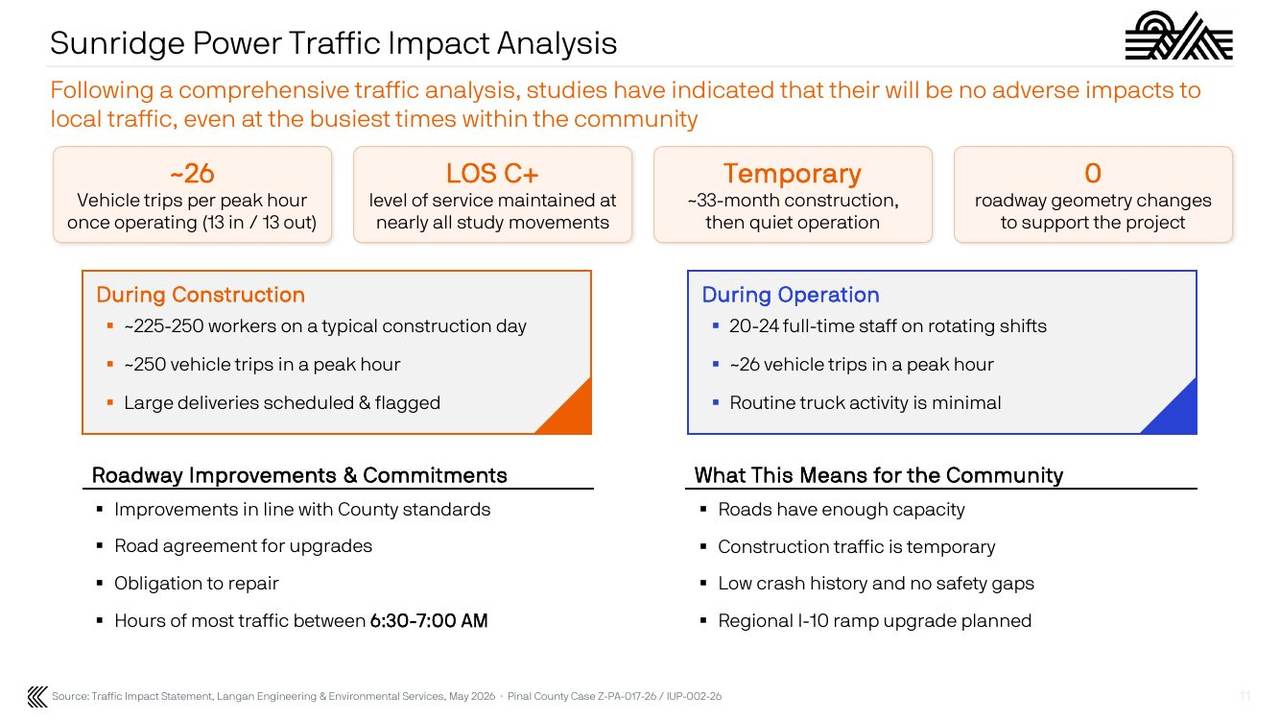
Sunridge Power used an estimated number of trips expected during each phase (construction and long-term operational traffic) and assessed the ability of the surrounding roadway network to accommodate those trips. The traffic analysis concluded that the surrounding roadway network is expected to have sufficient capacity to accommodate project-related traffic, even under conservative, worst-case assumptions.

During construction, traffic will be managed through temporary traffic control measures, maintenance of public roadway access, and coordination with Pinal County and other local agencies as needed.

Although specific improvements have not been identified at this phase of the project, Sunridge is committed to working with Pinal County to address roadway improvements that are identified in the future.

How does anticipated traffic affect pedestrian safety?

The existing roadway infrastructure within the Red Rock area includes pedestrian accommodations, such as sidewalks and crosswalks where applicable, to support safe pedestrian travel. The traffic analysis primarily focused on the vehicular traffic generated by the proposed facility and its effect on the surrounding roadway network. Given the industrial nature of the proposed development and the minimal traffic volumes generated by the development, the project is not expected to result in a meaningful increase in pedestrian-vehicle conflicts. Accordingly, the projected traffic impacts associated with the development are minimal and are not anticipated to adversely affect pedestrian safety, including for school-aged children.

During construction, pedestrian safety will be maintained through traffic control measures, restricted access to active work areas, and maintenance of public roadway access.

03Operations and Decommissioning4 questions+
03
Who will this project serve and why is it needed? Why this location?

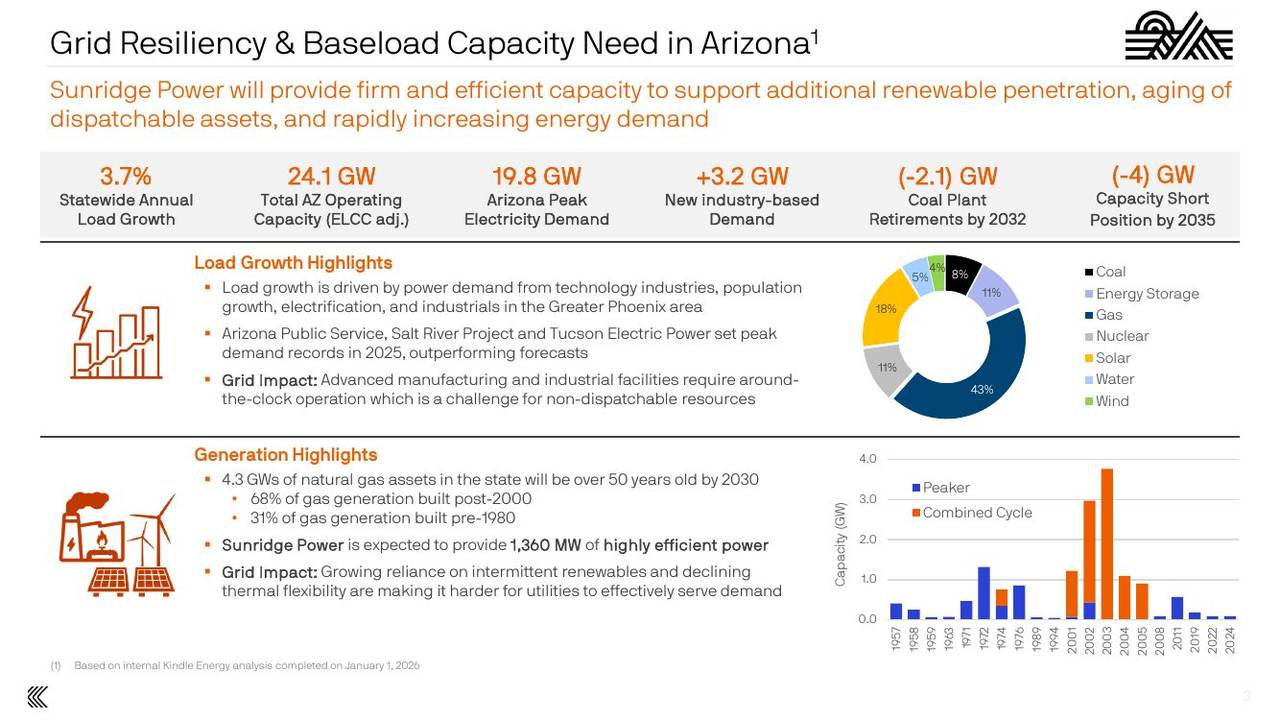
Sunridge Power will serve the local electricity market and provide grid reliability for Arizona. Regional power demand is growing at approximately 3.7% annually, which is among the fastest rates in the country. Intermittent renewable resources alone cannot fill this gap; off-peak demand is growing faster than on-peak, creating a grid-flexibility need and not just supply constraints. The project site was chosen due to its proximity to existing power-related critical infrastructure.

What technology does the plant use, how does it operate, and what is its expected lifespan?

The facility uses combined-cycle gas turbine (CCGT) technology, which captures waste heat for meaningfully higher efficiency than a simple-cycle “peaker,” allowing it to provide reliable, cost-efficient baseload power rather than only meeting short peak-demand windows. Anticipated operational life is 30+ years. Incremental efficiency improvements to ancillary and supporting systems may occur over the life of the facility.

What will the transmission line look like?

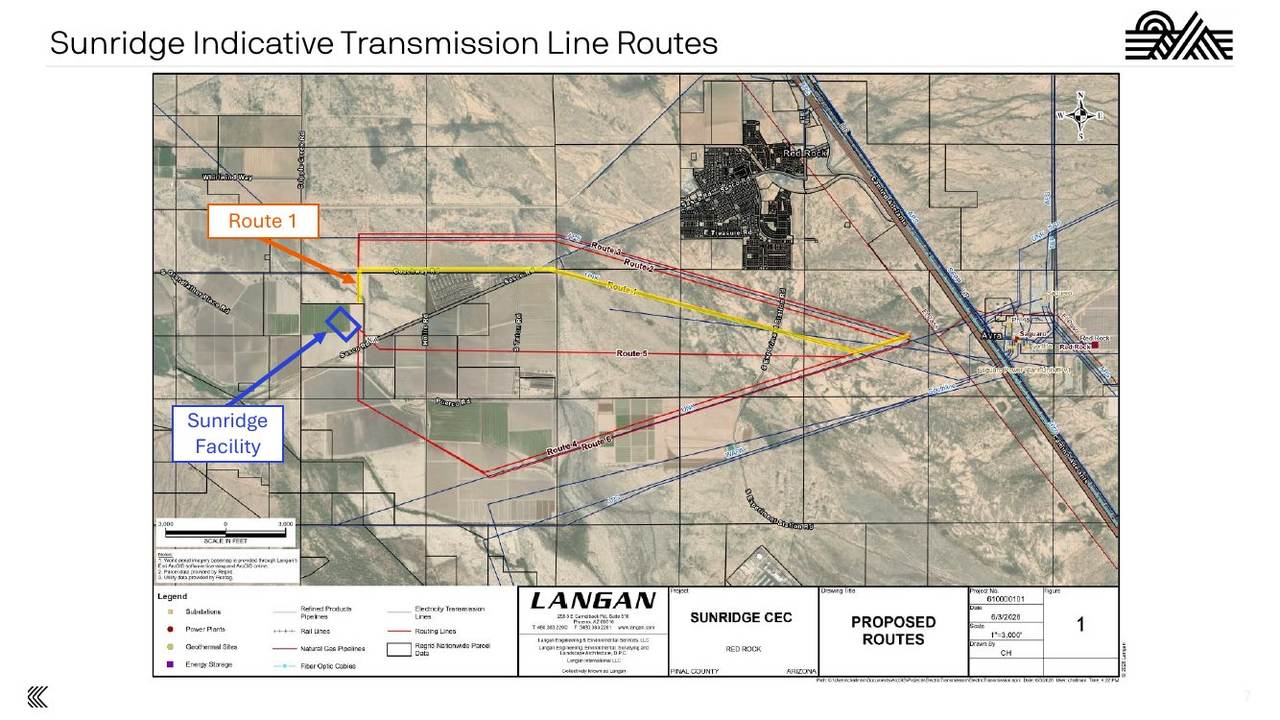
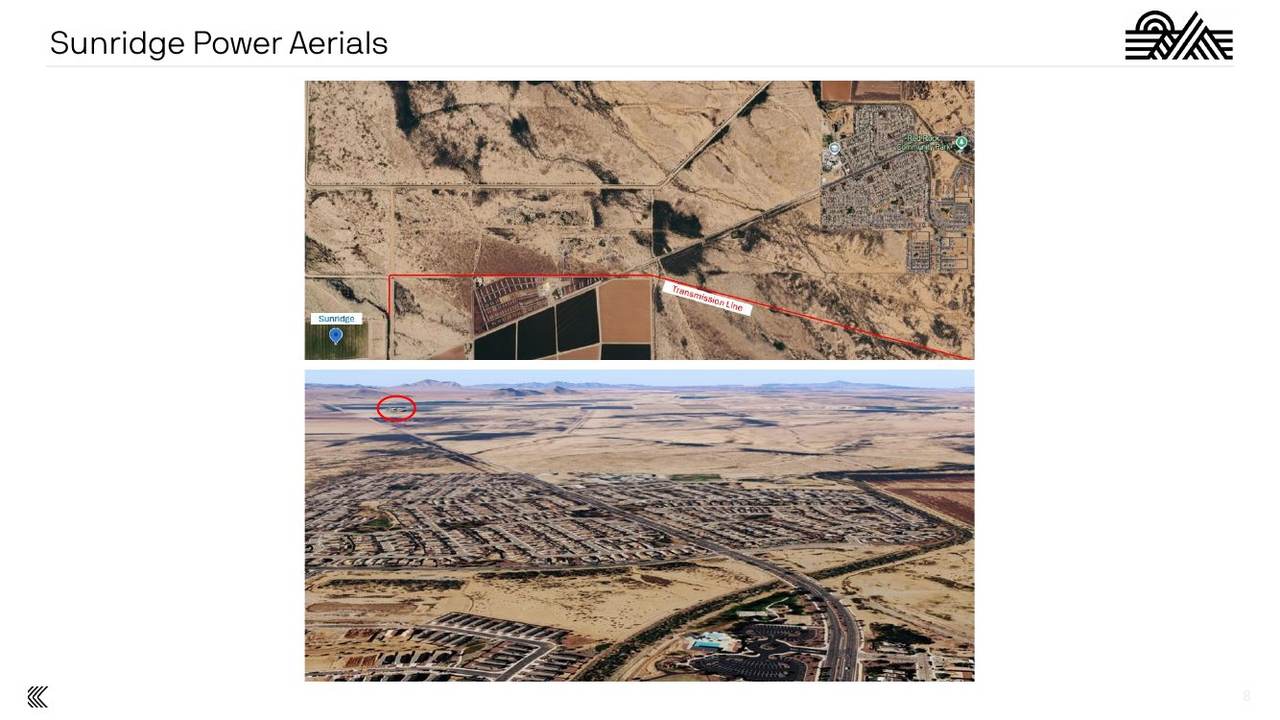
The transmission line will consist of steel monopole structures spaced 1,200 to 1,500 feet apart. Line sag and height will be designed per industry standards, local utility standards, and final detail design. Structures will be ASTM A572 carbon steel, hot-dip galvanized, each carrying 3 conductors per phase (745 kcmil, 3 phases). Pole height will be finalized during detailed design but will be between 120 and 195 feet. The number of poles will range from 20 to 30, depending on final design, road crossings, and railroad crossings.

What are the decommissioning and site restoration plans?

Decommissioning and restoration will follow AZGFD wildlife-friendly guidance to protect the desert landscape and habitat, maintaining wildlife movement, connectivity, and access to resources (for example, preserving natural washes as movement corridors and designing structures, fences, and roadways to allow wildlife passage). See the AZGFD Wildlife-Friendly Guidelines.

04Noise and Visual3 questions+
04
What noise studies were done, what levels are expected, and how will noise and vibration be mitigated?

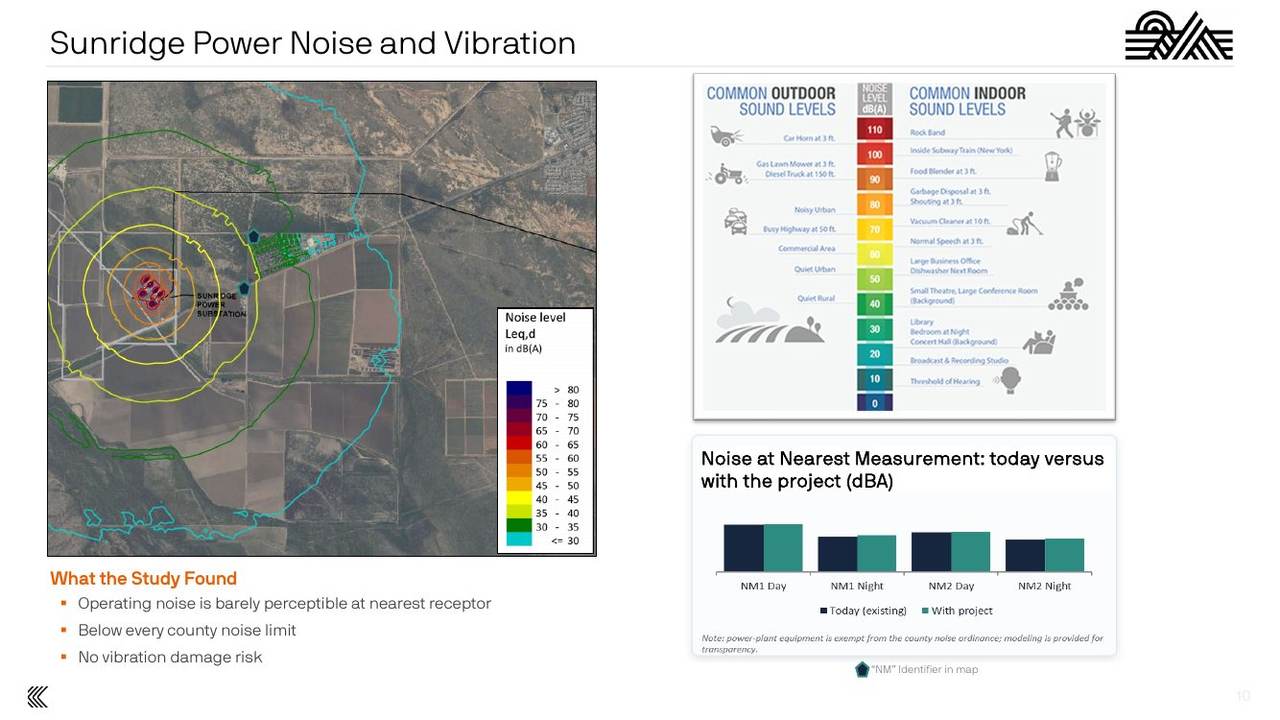
Construction and long-term operational noise were evaluated in a technical noise study (CEC Exhibit I - Noise) against existing ambient conditions and Pinal County standards. The study found that noise from the loudest construction activities would remain below existing background levels at the nearest residences and would not be perceptible above ambient conditions. Predicted operational increases are less than 1 decibel (dBA) above ambient conditions, remain well below county industrial noise standards, and are not expected to be perceptible to nearby residents. Construction noise and vibration will be temporary, localized, and managed through daytime construction schedules, phased construction activities, and compliance with County requirements. Based on the study findings, additional noise mitigation measures, such as acoustic walls, are not anticipated to be necessary.

What lighting is proposed, and will it protect dark skies and nocturnal wildlife?

Lighting will be designed to minimize impacts on nocturnal wildlife and to follow dark-sky principles, consistent with AZGFD guidance and applicable dark-sky ordinances. This includes using only the minimum light needed for safety, shielding and aiming fixtures downward to prevent spill, and using motion-sensing and warm or narrow-spectrum lighting (approximately 2700 Kelvin or lower) where possible. See the AZGFD Wildlife-Friendly Guidelines.

How tall will the structures on site be?

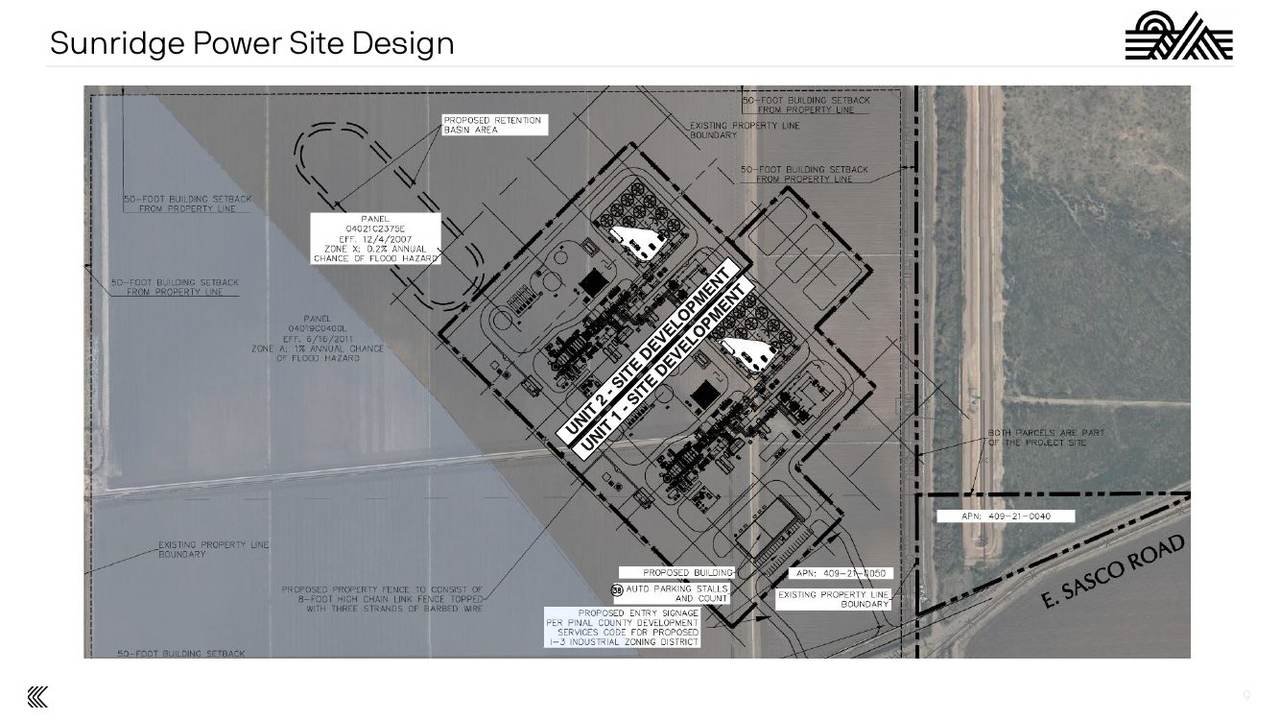
The tallest structures are two exhaust stacks, each approximately 199 feet tall.

05Health and Safety2 questions+
05
How close is the facility to homes and schools, and what are the fire and emergency response plans?

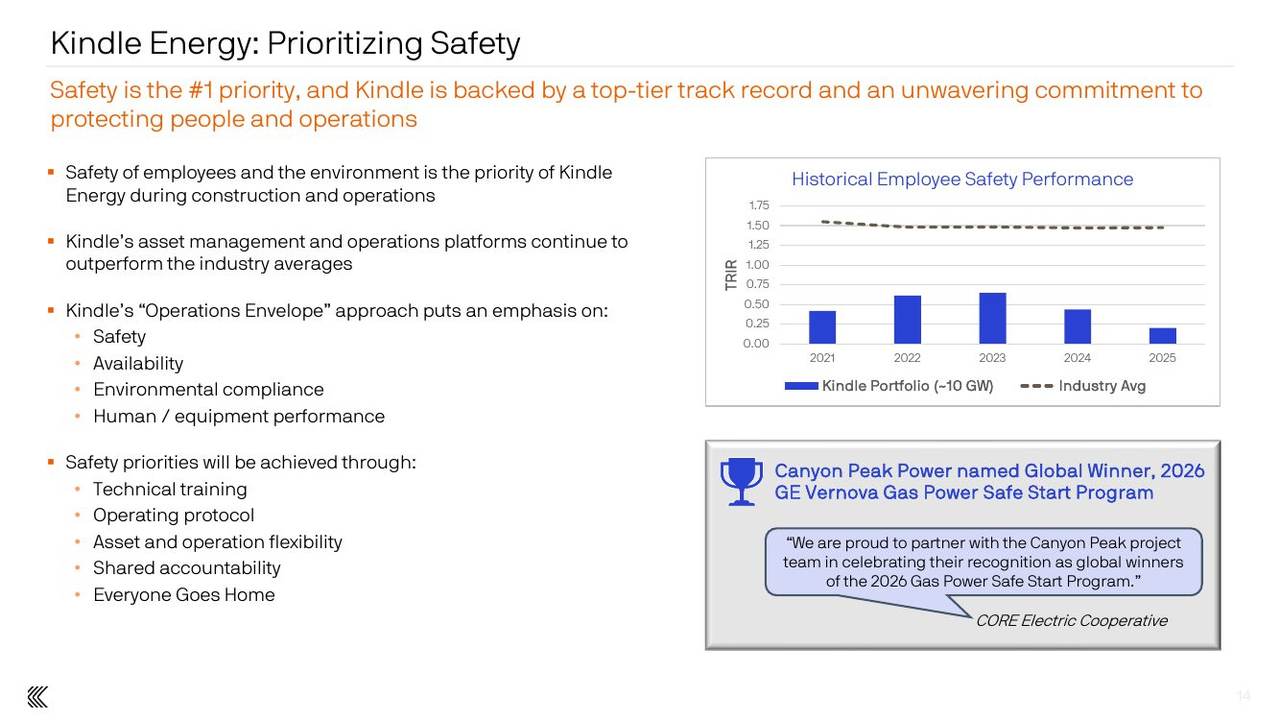
The nearest Red Rock village homes and schools are approximately 3 miles from the facility, and community facilities approximately 4 miles. Serious incidents are extremely rare; the facility will have a dedicated fire loop, suppression systems, and on-site firewater, along with an Emergency Response Plan covering situations such as gas leaks, fires, and wildfires. Sunridge Power has been coordinating with Rural Metro Fire Department, and that engagement will continue through the design, construction, and operational phases.

What will on-site chemical storage look like, and how is it managed?

Up to two approximately 30,000-gallon tanks will store 19% aqueous ammonia on-site to be used with the selective catalytic reduction (SCR) system and convert NOx emissions into nitrogen (N2) and water. Deliveries will typically occur weekly, based on consumption by the generating equipment, with twice-weekly deliveries possible during periods of high power demand. Chemicals for the boiler condensate system, auxiliary boiler condensate system, and raw water system will be stored in 275 to 330-gallon totes and replaced monthly.

06Environmental and Permitting4 questions+
06
What are the facility's air emissions and pollution controls, and how are they monitored?

Sunridge Power's primary emissions are NOx and CO, which drive its PSD and Title V air permitting. Advanced emission control technology and systems include SCR, oxidation catalyst (OxCAT), and continuous emissions monitoring (CEMS). Air-dispersion modeling shows the project will not cause or significantly contribute to a violation of any NAAQS nor cause any other adverse impacts to the surrounding area. Startup, shutdown, and upset emissions will be addressed in the facility's permit and tracked via CEMS, with emission controls brought online as quickly as catalyst temperatures allow. Emissions data will be reported quarterly under the Title V permit.

What is the permitting status, and will studies and assessments be made public?

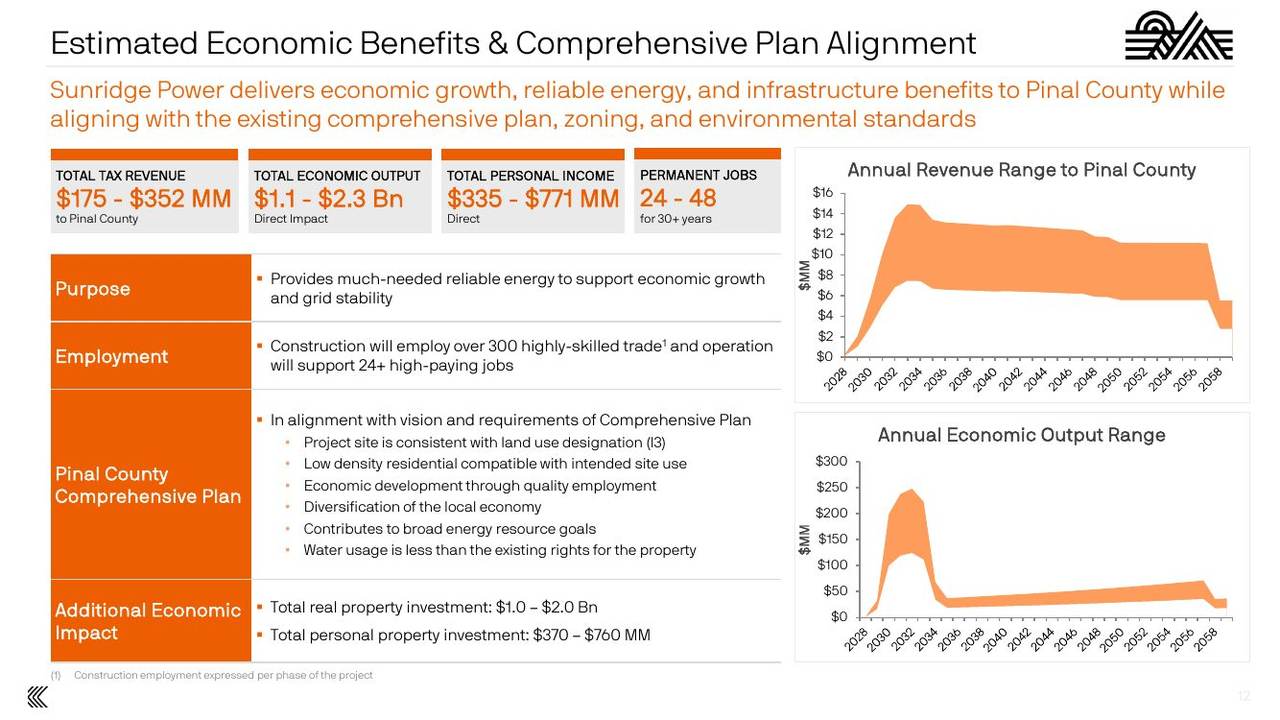
The project received unanimous approval from Pinal County's Planning & Zoning Commission (May 21, 2026) and the Board of Supervisors (June 17, 2026). The site has been zoned industrial since the 1960s and was rezoned to I3, the appropriate current designation. The CEC (Certificate of Environmental Compatibility) application, administered by the Arizona Corporation Commission, is underway, with submission completed in late July 2026 and Line Siting Committee hearings scheduled for September 8-11, 2026.

What are the health, water, and cumulative impacts on the surrounding community?

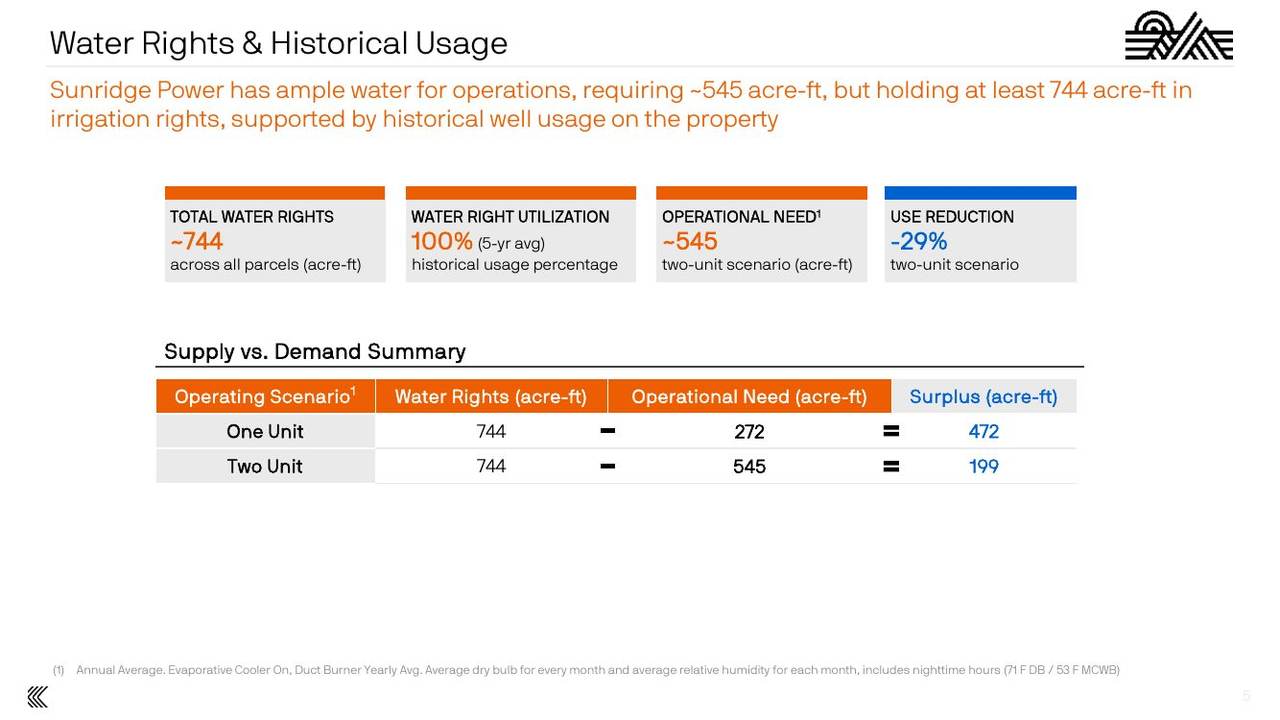
For Sunridge Power water usage, facility operations will require water for the HRSG process, steam cycle, boiler water, and cooling purposes. In addition, the equipment cooling water system will use a closed-loop cooling water system to cool all plant equipment, greatly reducing the cooling water volume (make-up water) needed when compared to the once-through cooling process. The equipment suppliers will provide noise guarantees in accordance with industry standards, and those values are used to generate initial noise impact estimates. A background noise baseline survey was conducted to form the basis of the noise mitigation actions to be taken by the project to comply with local codes and ordinances. Illumination levels are set based on industry standards, including OSHA Standard 1926.56 and ANSI Standard A11.1. Lighting design is for the safety of the construction and operating personnel.

How were nearby communities notified before the project was approved?

Sunridge Power notified property owners within 1 mile by letter and published notice in the local newspaper ahead of the April 2026 meeting. In addition, property owners within 1/2 mile of the transmission line were notified by letter, as well as the Red Rock Village HOA, ahead of the June 2026 meeting. Additional notifications for upcoming virtual meetings will be shared in the coming weeks.

07 CEC application

Our CEC Application

Sunridge Power submitted its application for a Certificate of Environmental Compatibility on July 24, 2026. Please see the links below to download our application and view our ACC Docket.

08 Contact

Get in Touch